

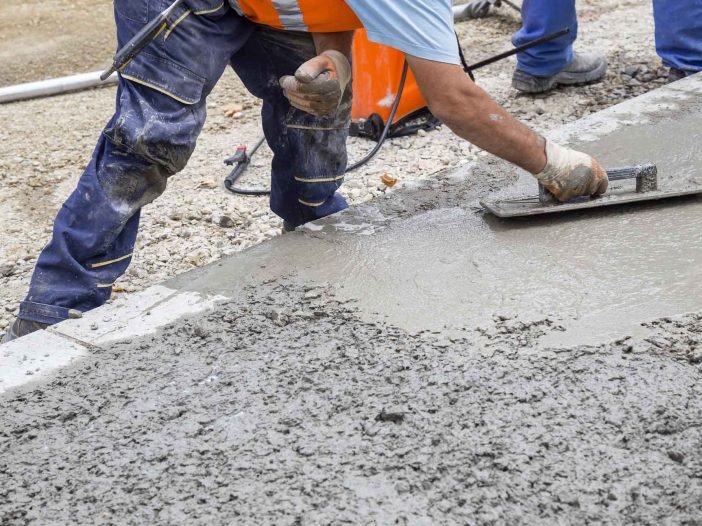
Why Summer Is the Best Time to Pave Your Driveway in Fresno
Most Fresno homeowners put outdoor projects off until fall, figuring summer is too hot to deal with contractors and construction. It's a reasonable instinct — but when it comes to asphalt paving, it's backwards.
Summer in the Central Valley is the best time of year to pave a driveway. The heat, the dry air, the long days — all of it works in your favor. Here's why.
Heat Makes Asphalt Perform Better
Asphalt is a temperature-sensitive material. It needs consistent warmth to be laid correctly, compacted properly, and bonded to a strong, lasting finish. Most contractors won't lay asphalt when temperatures drop below 50°F — the material stiffens too quickly to compact correctly, which leads to surface problems over time.
In Fresno, summer daytime temperatures routinely hit 95°F to 108°F. That's ideal. Hot ambient temperatures keep fresh asphalt workable longer, giving crews the time they need to roll and compact it to a uniform, smooth finish. The result is a denser, more durable surface that holds up better over years of use.
According to the National Asphalt Pavement Association, temperature control during installation is one of the most critical factors in long-term pavement performance. The Central Valley's long, hot summer gives Fresno homeowners a genuine advantage.
No Rain Means No Delays
One of the biggest disruptions on any paving project is unexpected rain. Water on freshly laid asphalt can compromise adhesion, damage the surface finish, and push a project back by days.
Fresno gets virtually zero rainfall between May and October. That six-month dry window is one of the most reliable in California — and it means summer paving projects almost always run on schedule. When you book a driveway installation in Fresno in July or August, you're not gambling on the weather. You're eliminating it as a variable.
Compare that to spring, when the Central Valley still sees occasional storms, or fall, when early rains can catch crews mid-project. Summer is the lowest-risk season for outdoor paving work.
Your Driveway Will Be Ready Before Winter Rains Hit
The Central Valley does get seasonal rain — typically between November and March. Winter rain is hard on deteriorating pavement. Water seeps into cracks, erodes the base material, and accelerates damage with every temperature shift overnight.
Paving now means your driveway will be fully cured and sealed before the wet season arrives. Fresh asphalt sheds water cleanly, protects the compacted base beneath it, and enters winter in the best possible condition. Homeowners who wait until fall often find themselves scheduling repairs the following spring — while those who paved in summer are still on a clean, intact surface.
More Daylight, Faster Turnaround
Fresno's summer days run 14 to 15 hours of usable daylight. That gives paving crews room to start early and push through the full day, completing more work per visit. For you, that means less disruption to your routine and a faster turnaround from first pour to finished surface.
Most residential asphalt driveway projects in the Fresno area complete in one to two days depending on size, site preparation needed, and whether existing material needs to be removed first. We serve homeowners across Fresno, Clovis, Visalia, and the wider Central Valley.
Book Now and Beat the Fall Rush
Every fall, paving companies across the Central Valley see a surge in calls from homeowners who noticed cracking or standing water after the first storm of the season. By then, schedules fill fast and flexibility shrinks.
Booking in July or August gives you more options — better availability, more control over your timeline, and no pressure to rush a decision. Free on-site estimates cost nothing, so there's no reason to wait until the season turns.
Do You Need Full Replacement or Just Sealcoating?
Not every driveway in rough shape needs to be torn out. Here's a quick guide:
- Sealcoating — right for asphalt that's structurally sound but showing surface oxidation, minor cracking, or fading. Extends life by 3–5 years. See our sealcoating service.
- Resurfacing (overlay) — a new asphalt layer over an existing base. Works when the surface is damaged but the foundation beneath is still solid.
- Full replacement — needed when you're dealing with large structural cracks, potholes, drainage failure, or crumbling edges. These signal base failure; a new surface layer alone won't hold.
An on-site assessment is the most reliable way to know which option fits your situation. Our team gives you a straight answer — no upsell, no pressure.
Frequently Asked Questions
How long does asphalt last in Fresno's climate?
A properly installed asphalt driveway in the Central Valley typically lasts 20–30 years with routine maintenance. The dry climate is favorable for longevity — UV exposure is the main wear factor, which regular sealcoating addresses.
How soon can I use my driveway after paving?
Light foot traffic is fine within a few hours. You can drive on it within 24–48 hours in summer heat. Avoid sharp turns in place or parking heavy vehicles in the same spot for the first week while the surface finishes hardening.
Does extreme heat damage asphalt?
Freshly poured asphalt can soften slightly in peak heat, which may leave tire marks during the first week. This is normal and not a defect. Once fully cured, your driveway handles Fresno summers without issue.
How much does a new driveway cost in Fresno?
Residential asphalt driveways in the Fresno area typically run $3–$7 per square foot installed, depending on size, thickness, and site prep required. Contact us for a free estimate tailored to your property.
Get Your Free Driveway Estimate This Summer
Golden Valley Paving Inc has served Fresno, Clovis, Visalia, and the wider Central Valley for 20+ years. Licensed, insured, and family-owned — we show up on time, do the work right, and stand behind it.
Request a free estimate online or call us directly at (559) 765-7172.